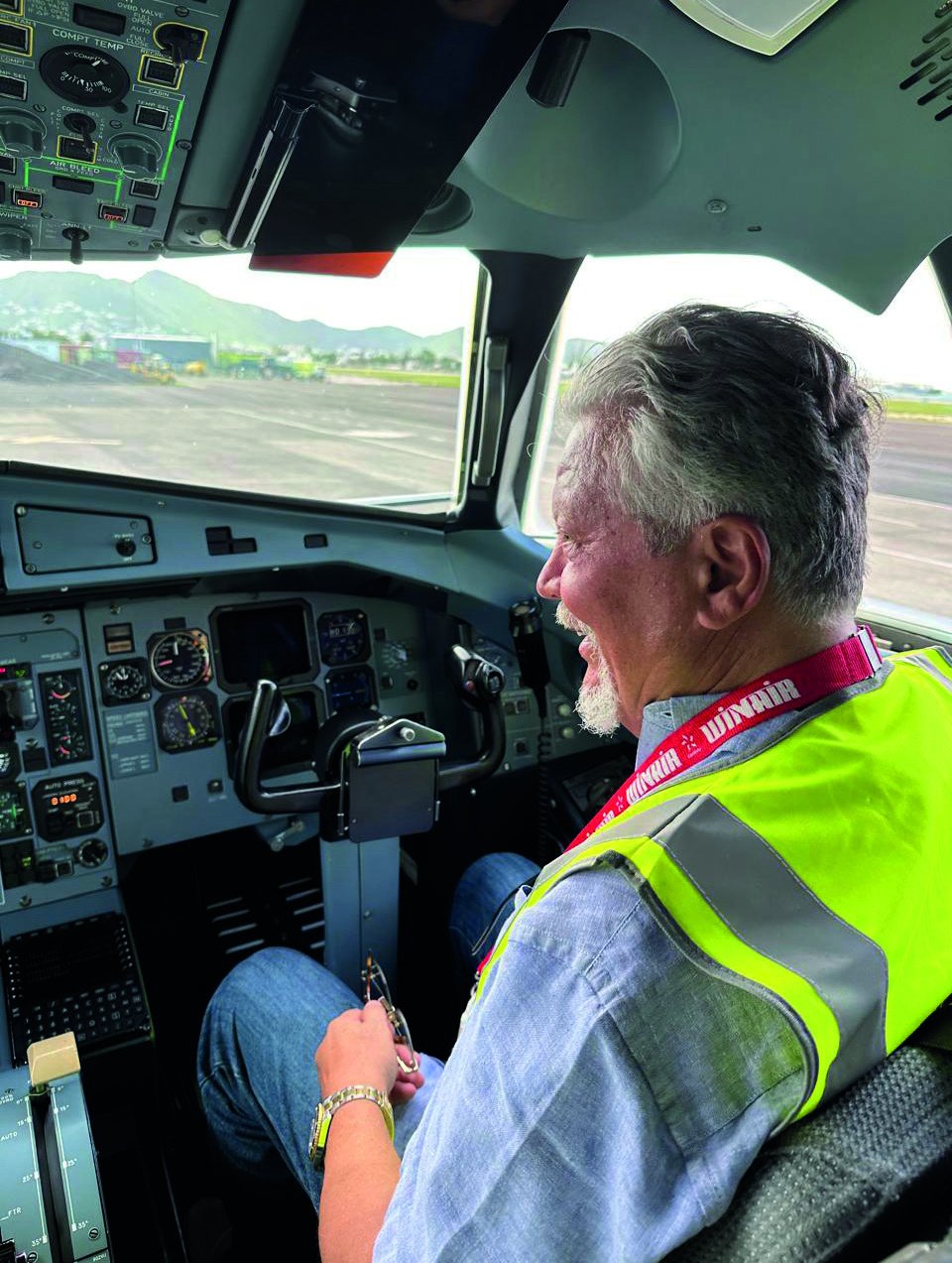
Chairman of Winair’s Supervisory Board from 2011 to 2023, Georges Alain Gréaux is also the son of one of the airline’s founders and grew up within the company. "By Agnès Monlouis-Félicité"
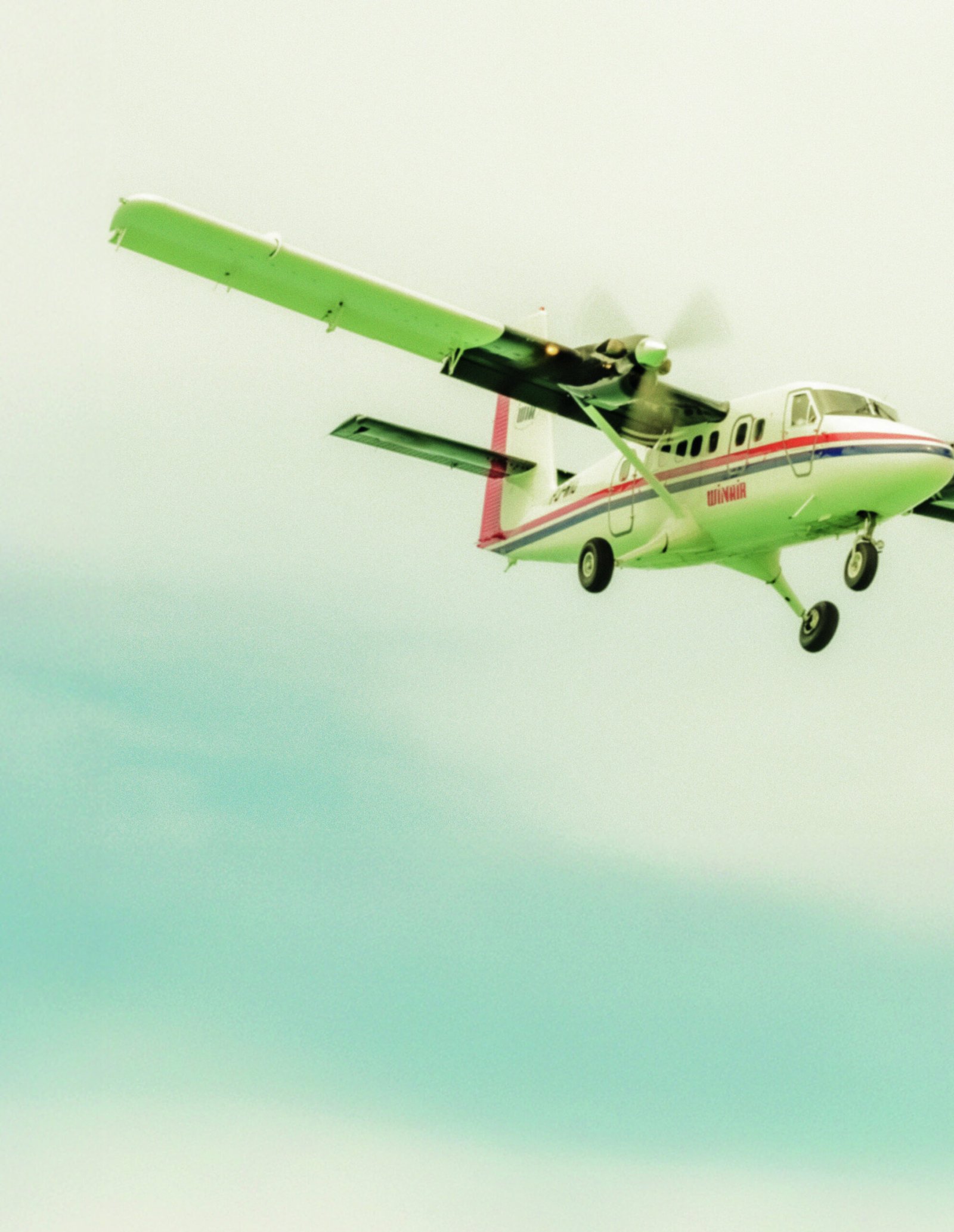
From the Piper Apache of its early days to today’s De Havilland Twin Otters and ATRs, Winair has operated a wide variety of aircraft throughout its 65-year history, including the Beechcraft Twin Bonanza, Dornier DO-28, Britten-Norman Islander, Fokker Fairchild F-227 and Piper Chieftain.
Winair - You joined the company in 2011, following the dissolution of the Netherlands Antilles on October 10, 2010. How would you describe that period?
Georges Alain Gréaux - I would best describe that era as a rollercoaster ride! When I joined the Supervisory Board, the company was in a precarious financial situation. However, with a new management team in place — Michael Cleaver as CEO and Roberto Gibbs as CFO — and thanks to a major restructuring and turnaround effort, Winair was able to report a profit as early as 2012.
From there onwards, the company continued to strengthen its financial position while improving its operational capacity with an eye toward expansion. We had already moved from crisis mode to growth mode when Hurricane Irma destroyed Winair’s headquarters and SXM Airport in 2017. Despite the magnitude of the setback, the company demonstrated remarkable resilience. Expansion plans already underway, particularly through partnerships with Air Antilles, allowed the company to continue moving forward while core regional markets recovered.
In 2019, Winair posted a record revenue of US$40 million and was on track to surpass that figure before the abrupt shutdown caused by Covid. In March 2020, the company went from record revenues to zero revenue and zero flights in a matter of days. We had to return to survival mode, make difficult decisions and prepare for recovery.
When I left the Supervisory Board on August 23, 2023, Winair was financially stronger than ever, repaying its loans, operating its own ATRs and continuing to expand on underserved routes. During my twelve years as chairman, I was deeply enriched by Winair’s greatest asset: its employees. I also greatly valued the quality of the relationships maintained with shareholders and fellow board members.
Winair - Long before joining the company, Winair was already part of your life through your father, Georges Emilien Gréaux. Beyond work, could you tell us about the more personal connection you have with Winair?
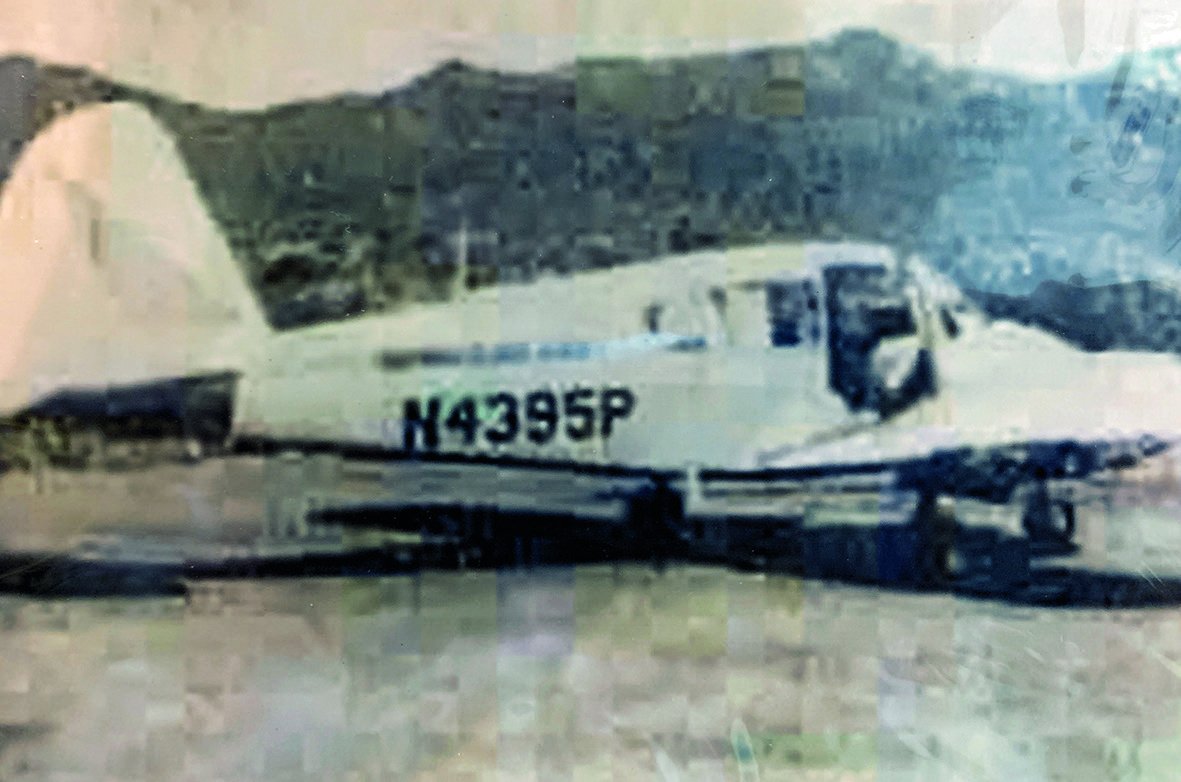
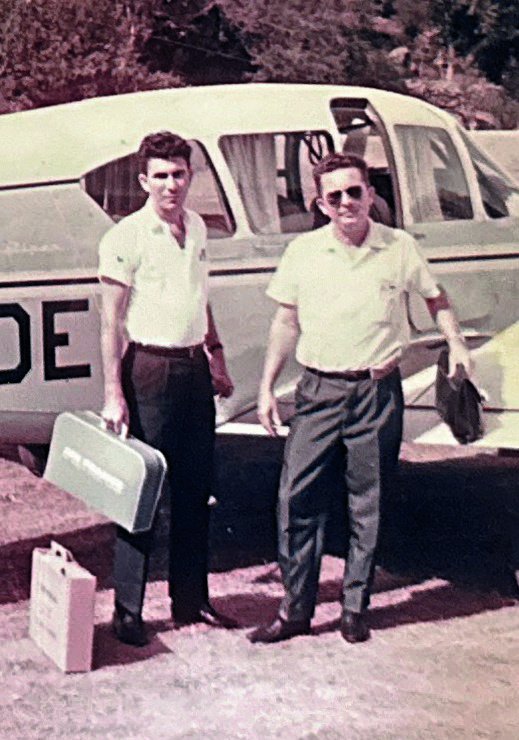
GG - My father’s roots are in St. Barth and he lived through the pioneering days of aviation in the region. His first aircraft was a Cessna 152 flying in and out of the grass landing strip provided by the Lédée family. Back then, there were trees to avoid on approach and sometimes sheep had to be moved off the runway before landing. After Hurricane Donna destroyed his aircraft and that of Hyppolite “Faustin” Lédée in 1960, they joined forces with St. Maarten businessman Chester Wathey to create Windward Islands Airways, which later became better known as Winair.
My story begins with Remy de Haenen, who fell head over heels in love with my aunt. They married and, while running Eden Rock Hotel, my mother came to help them and met my father. They fell in love, got married and eventually settled in St. Maarten. I was born shortly afterwards in Martinique but grew up in St. Maarten. Around the age of seven, I was often dropped off after school at my favourite babysitting service: Winair. I was very independent. I would look for an aircraft preparing to depart and ask the pilot if I could ride along in the co-pilot seat — flights were operated by a single pilot in those days. Back then, every arrival in St. Barth or the smaller islands was a local event. Sometimes I would spot my grandfather or an uncle and decide to stay with them for a while. The pilot would simply radio my father to let him know where I was. Other times, while travelling alone with Air France or LIAT to visit family in Martinique, I would spot a Winair aircraft during a stopover in Pointe-à-Pitre and run over to the pilot to hitch a ride home. One of those pilots was the legendary José “La Pipe” Dormoy.
Winair - With this perspective spanning the company’s origins and its more recent history, would you say that Winair has met its challenge? What has changed — and what has endured — in its DNA?
GG - One has to truly appreciate the challenges Winair has endured throughout its 65 years of existence while continuing to achieve its most important mission every day: transporting passengers safely to their destinations. The company’s safety record has been beyond reproach. The foundations are in place for Winair to continue striving for excellence and adapting to future technological developments in the industry.
What has evolved over the years is the regulatory environment, which has continuously raised standards for safety and security, requiring airlines such as Winair to keep improving their operations in order to meet customer expectations.
One example of what has endured are the spectacular landings in St. Barth and Saba that impress viewers on social media today. Winair pilots have been performing those approaches for 65 years. Likewise, the fundamental understanding that the company exists because of its customers remains deeply embedded in the organization’s culture.
Winair - A personal note to conclude? Perhaps about people who have marked your journey?
GG - I will always be grateful to Mike Ferrier for recruiting me to the Supervisory Board. It rekindled my childhood passion for aviation and, as an adult, gave me a deeper understanding of the legacy left by my father.
I grew up knowing many of the iconic figures such as Chester Wathey and Faustin Ledee who, like my father, contributed to the development of St. Maarten and the neighbouring islands. I appreciate those pioneers even more today. Captain Faustin Ledee sadly passed away recently, and I was deeply moved to witness his final journey aboard a Winair aircraft to St. Barth, where he now rests in peace.
Finally, my Aviation 101 education would not have been complete without the contribution of so many people throughout the organization, and I thank them sincerely for that. Today, I am a proud Winairean alumnus and I look forward with excitement to the company’s future development.
Art Issue #17 EN